Things to Do in San Salvador in August
August weather, activities, events & insider tips
Shoulder Season · Good Value
August Weather in San Salvador
Long-run averages for August
87°F (30°C)
High Temp
68°F (20°C)
Low Temp
12.5 inches (318 mm)
Rainfall
83%
Humidity
12
Sunny-Day UV
⚠ Flash flooding occurs in low-lying sections of San Salvador during heavy afternoon storms, with the Acelhuate river basin and roadway underpasses being the highest-risk zones. Avoid walking through standing water. Do not shelter in drainage channels during active downpours.
⚠ Dengue fever risk peaks during the August rainy season across El Salvador. Use DEET-based repellent consistently. Choose accommodations with screened windows or functioning air conditioning. Seek medical attention for any high fever with joint pain within two weeks of your visit.
⚠ Mudslide risk increases on volcanic slopes and in hillside colonias after multi-day rainfall. Confirm trail conditions with your tour operator before attempting volcano hikes. Avoid informal trails on steep terrain after sustained overnight rain.
Is August Right for You?
Weigh the advantages and considerations before booking
Advantages
- + The Fiestas Agostinas, San Salvador's biggest annual celebration, takes over the city during the first week of August with street processions, carnival rides, live music stages, and the Bajada ceremony at Plaza El Salvador del Mundo. This is the single best window for experiencing the capital's cultural identity at full volume.
- + Rainy season pricing drops accommodation rates well below the November-through-March dry season peak. Competition for tables at restaurants, spots on tours, and space at attractions is minimal compared to what you'd face in December or January.
- + The volcanic landscape surrounding San Salvador reaches peak verdancy in August. Boquerón's upper slopes drip with orchids and bromeliads. The coffee hills between the capital and Coatepeque glow an almost hallucinatory green. Waterfalls along the highland trails run at full force.
- + Consistent south Pacific swell makes the El Tunco and Surf City corridor one of Central America's better August surf destinations. Warm water, uncrowded breaks, and glassy morning conditions arrive before the onshore wind builds.
Considerations
- − Afternoon storms are close to a daily certainty. Heavy downpours typically arrive between 2 PM and 5 PM and occasionally extend into evening. Outdoor plans need to be front-loaded into the morning hours. Flexibility is non-negotiable.
- − Unpaved roads to rural attractions like remote hot springs and some volcano trailheads become difficult or impassable after sustained rainfall. Mudslide risk increases near volcanic slopes and in hillside neighborhoods.
- − Mosquito populations peak during the rainy season, elevating dengue fever risk across San Salvador and the surrounding lowlands. Consistent repellent use and screened accommodations are not optional.
Best Activities in August
Top things to do during your visit
August hits San Salvador like a warm, damp cloth. This is the deep green season. Afternoon downpours arrive with clockwork regularity, hammering corrugated rooftops across the city's colonias before draining through streets that smell of wet volcanic soil and charcoal from pupusa griddles. Average highs reach 87°F and lows dip to a comfortable 68°F at night. But the rain defines the month. With roughly 12.5 inches falling across August, San Salvador sits near its annual rainfall peak. The surrounding hillsides respond by turning an almost tropical green, the kind of saturated emerald you only see in places built on volcanic earth that drinks water fast. Mornings tend to break clear and bright, the air still cool from overnight showers. The smartest visitors follow the local rhythm: get out early, do the hard walking before noon, and let the afternoon rains pass while you sit under a tin awning eating a plate of yuca frita with curtido. For travelers weighing whether El Salvador in August is worth the trip, the honest answer is that you trade crowd-free access and lower accommodation rates for the certainty of getting wet. The rainy season thins the tourist flow considerably compared to the dry months of November through March. That means shorter waits at popular stops and more genuine interactions in the historic center. San Salvador's food scene operates year-round regardless of weather. The city's comedores and market stalls along Calle Arce and near the Mercado Central fill the air with the smell of slow-cooked frijoles, griddled corn masa, and loroco flowers steaming in cheese. The pupusa remains the gravitational center of every meal. August is as good a month as any to eat your way through the city's neighborhood variations, from the rice-flour pupusas revueltas in the western colonias to the thicker, slightly charred versions sold from carts near the cathedral. Safety in San Salvador has improved markedly in recent years. The central tourist corridors, the Zona Rosa dining district, and the neighborhoods around the national museums are well-patrolled and walkable during daylight. Standard urban awareness applies: keep phones out of sight on public buses, avoid poorly lit streets after dark in unfamiliar neighborhoods, and use established taxi services or rideshare apps rather than hailing unmarked cars. The city's geography helps orient you. The massive San Salvador volcano, known locally as El Boquerón, anchors the western skyline. On clear mornings its crater rim is visible from rooftops across the capital. That is a reminder that this entire metropolitan area sits in a volcanic caldera that has shaped everything from the black sand beaches of the Pacific coast, reachable within ninety minutes, to the mineral-rich soil that feeds the coffee fincas ringing the city.

Birdwatching Tours in El Salvador with Expert Biologist Guide
guided_experienceThe birdwatching tours led by an expert biologist guide take you into the forests and wetlands surrounding San Salvador where El Salvador's position on the Central American land bridge concentrates an extraordinary density of neotropical species into a small geographic area. August sits squarely in the nesting season for many resident species. The freshly rain-fed waterways draw herons, kingfishers, and motmots into the open where their calls echo across still morning water. Your guide, a trained biologist rather than a generalist tour leader, identifies species by song before you spot them. They will point out the iridescent flash of a turquoise-browed motmot, El Salvador's national bird, perched on a low branch still dripping from the night's rain.
A biologist-led expedition into one of Central America's richest birding corridors, where scientific expertise turns a walk in the forest into a masterclass in neotropical ecology.
Insider tip: Wear dark, muted clothing and bring a lightweight rain shell, not a poncho that rustles. The birds are most active in the first two hours after dawn, and any crackling fabric will push them deeper into cover.
This month: August rainfall keeps forest streams and seasonal wetlands full, which concentrates wading birds and kingfishers at predictable feeding sites and makes for productive morning outings before the afternoon rains arrive.

Scars of San Salvador
otherScars of San Salvador is a walking tour that does what most city tours avoid: it tells the truth. This guided walk through the capital's historic center confronts the twelve-year civil war, the 1986 earthquake that flattened entire blocks, and the political violence that shaped modern Salvadoran identity, all while standing in the exact places where these events unfolded. You will pause in the Metropolitan Cathedral where Archbishop Óscar Romero was assassinated in 1980, feeling the heavy silence of the nave, and walk streets where bullet scars are still visible in concrete walls if you know where to look. The narrative is unflinching but never exploitative. Guides treat their city's wounds as essential context, not spectacle.
The only tour in San Salvador that refuses to sanitize the capital's history, placing you at the exact sites where the country's defining traumas occurred and letting the architecture speak.
Insider tip: Go on a weekday morning when the historic center is quieter and the cathedral less crowded. The emotional weight of the tour lands harder when you are not navigating around other groups.

Santa Ana Volcano Hike & Lunch at Coatepeque Lake (Private Tour)
adventureThe Santa Ana volcano hike climbs to the rim of Ilamatepec, the highest volcano in El Salvador at just over 2,380 meters, where on a clear day you look down into a turquoise crater lake that glows against the dark volcanic rock like something you would not believe if you had not walked two hours uphill to see it. The trail passes through cloud forest dripping with epiphytes and moss, the air thick with the mineral smell of volcanic soil and wet vegetation, and the temperature drops noticeably as you gain elevation. After the descent, the tour continues to Coatepeque Lake, a deep caldera lake rimmed by steep green walls, where lunch arrives at a lakeside spot and you can feel the residual ache in your legs dissolving as you sit with a plate of grilled fish and watch the afternoon clouds gather.
The most dramatic single-day landscape in western El Salvador, combining a proper volcanic summit hike with a lakeside meal that rewards every meter of elevation you earned.
Insider tip: Start as early as the tour allows. Cloud cover tends to build by late morning in August, and the crater lake view depends on arriving at the rim before the clouds roll in. Wear trail shoes with grip because the upper section is loose volcanic scoria that gets slippery when wet.
This month: August rain makes the upper trail sections muddy and the volcanic scoria slippery, so proper footwear is essential rather than optional. The upside is that the cloud forest section is at its most lush, with ferns and orchids fed by the wet season in full display.

Real City Tour San Salvador: Historic Center & Boqueron Park
culturalThe Real City Tour covers San Salvador's historic center and Boquerón Park in a single outing that moves from the low, dense streets around the National Palace to the cool rim of the volcano crater that looms over the western edge of the city. In the centro histórico, you walk past the neoclassical facade of the National Theater, hear the clatter of commerce spilling out of the Mercado Ex-Cuartel, and smell roasting corn and fresh curtido from the pupusa vendors who set up along the pedestrian corridors every morning. The second half of the tour climbs to Boquerón, the massive crater of San Salvador volcano, where the air is noticeably cooler, the wind carries the scent of pine and damp earth, and the crater drops away beneath you in a sheer green bowl that makes the city below feel impossibly distant.
A single guided day that stitches together the dense, sensory overload of San Salvador's street-level culture with the volcanic panorama that explains why the city exists where it does.
Insider tip: Eat nothing before the tour. The guide knows the best stops in the historic center for pupusas and fresh fruit, and arriving hungry lets you taste your way through the market stalls rather than just walking past them.

Best Private Tour: Suchitoto & Cihuatán Rum from San Salvador
private_tourThe private tour to Suchitoto and Cihuatán departs San Salvador heading north through the green Salvadoran highlands to a colonial town and an archaeological site that together span roughly a thousand years of history. Suchitoto sits above the Suchitlán reservoir, its cobblestone streets lined with indigo-painted buildings and galería workshops where artisans still use pre-Columbian natural dye techniques, the smell of fermenting indigo sharp and vegetal in the workshop air. Cihuatán, one of the largest pre-Columbian sites in El Salvador, spreads across a grassy plateau where you walk among the foundations of ceremonial platforms and ball courts that date to roughly 900 to 1200 CE, the wind rustling through dry grass while your guide explains the Nahua-Pipil civilization that built this place. A rum tasting rounds out the day, grounding all that history in something you can hold in your hand and sip.
The sharpest single-day contrast in El Salvador, moving from a pre-Columbian archaeological site to a colonial art town to a rum distillery without ever feeling rushed.
Insider tip: Ask your guide to stop at the mirador overlooking Suchitlán Lake on the approach to Suchitoto. The view of the reservoir ringed by green hills is the best landscape photograph you will take in El Salvador, and most visitors blow past it because they do not know to ask.
This month: August rain keeps the Suchitlán reservoir at high water levels, which makes the lake views from Suchitoto more dramatic than in the dry season when the waterline recedes and exposes mud flats.

El Salvador Luxury Airport Transfer
transportThe luxury airport transfer between Monseñor Óscar Arnulfo Romero International Airport and San Salvador eliminates the one moment of a trip that travelers dread most: stepping out of arrivals into a chaotic curb with no local phone signal and a language barrier. The vehicle is air-conditioned, the driver holds a sign with your name, and the roughly forty-minute ride into the city gives you a first taste of the Salvadoran landscape, the flat coastal plain giving way to the green volcanic slopes that cradle the capital. For anyone arriving on a late flight or traveling with luggage that would make a public bus an ordeal, this is the difference between starting your trip frazzled and starting it calm.
A guaranteed, smooth arrival into a city where the airport-to-hotel transition is the single highest-friction moment for first-time visitors.
Insider tip: Book the return transfer at the same time as your arrival. Departing San Salvador at dawn for an early flight, the streets are empty and the drive takes closer to thirty minutes. But finding a reliable car at 4 AM without a pre-arranged booking is the kind of gamble that costs you a flight.
This month: August afternoon downpours can slow traffic on the highway between the airport and San Salvador due to standing water and reduced visibility. If your flight lands in the afternoon, expect a longer ride and do not schedule anything tight for the first evening.
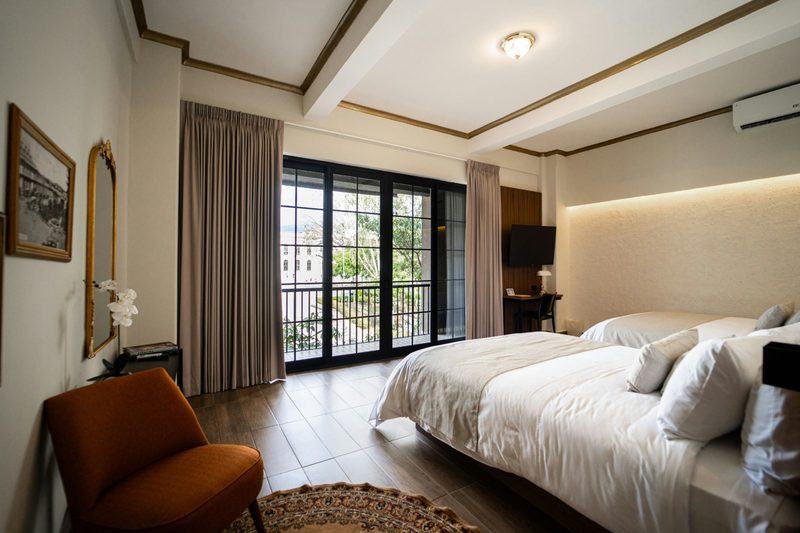
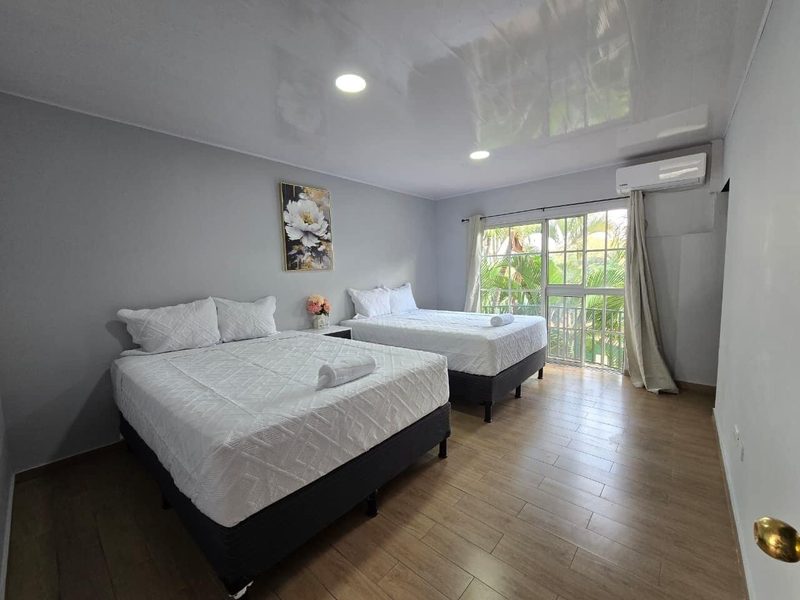
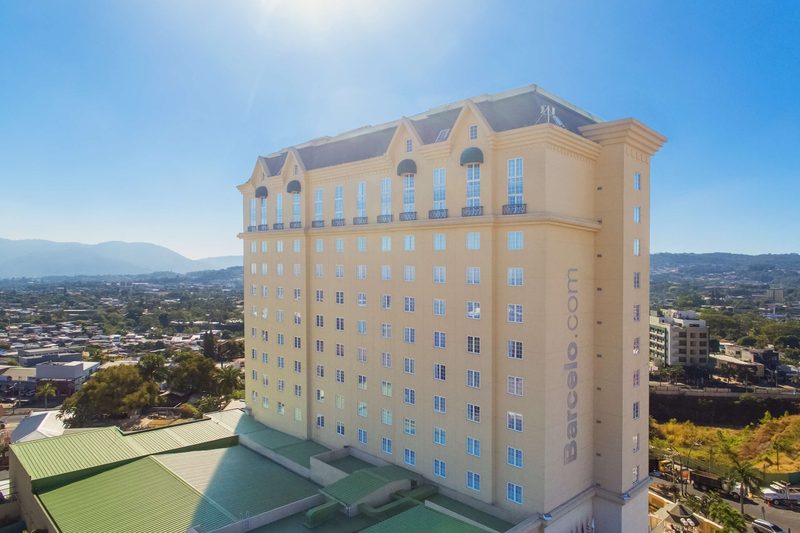
Where to Stay in San Salvador in August
Hand-picked hotels across price tiers for August travellers.
Public Holidays in August
Dates that affect opening hours, transport and crowds
Fiestas de agosto
Known in English as August Festivals. Observed nationwide as a public holiday.
Fiestas de agosto
Known in English as August Festivals. Observed nationwide as a public holiday.
Fiestas de agosto
Known in English as August Festivals. Observed nationwide as a public holiday.
Fiestas de agosto
Known in English as August Festivals. Observed nationwide as a public holiday.
Fiestas de agosto
Known in English as August Festivals. Observed nationwide as a public holiday.
Fiestas de agosto
Known in English as August Festivals. Observed nationwide as a public holiday.
Fiestas de agosto
Known in English as August Festivals. Observed nationwide as a public holiday.
Fiestas de agosto
Known in English as August Festivals. Observed nationwide as a public holiday.
Fiestas de agosto
Known in English as August Festivals. Observed nationwide as a public holiday.
Fiestas de agosto
Known in English as August Festivals. Observed nationwide as a public holiday.
Fiestas de agosto
Known in English as August Festivals. Observed nationwide as a public holiday.
Fiestas de agosto
Known in English as August Festivals. Observed nationwide as a public holiday.
Fiestas de agosto
Known in English as August Festivals. Observed nationwide as a public holiday.
Fiestas de agosto
Known in English as August Festivals. Observed nationwide as a public holiday.
Packing Checklist
Bookmark this page — your progress is saved between visits
Need the full list with shopping links?
Climate-specific gear, brand recommendations, and what to leave at home.
View San Salvador Packing List →Essential Tips
Insider knowledge and common pitfalls to avoid
Insider Knowledge
The Bajada procession on the evening of August 5 is the emotional peak of the Fiestas Agostinas. Thousands crowd the intersection around Plaza El Salvador del Mundo. The moment the statue descends from its pedestal, the sound is visceral: cheering, firecrackers, car horns. Arrive by 4 PM to secure a sightline. Post up at one of the surrounding restaurants with upper-floor seating where you can watch without being crushed.
San Salvador mornings in August are often clear and warm, with rain building visibly as clouds thicken over the volcanic rim after midday. The experienced move is to schedule all outdoor activities before 11 AM. Save Iglesia El Rosario, the anthropology museum MUNA, or market browsing for the afternoon storm window when you would be indoors anyway.
For pupusas that match what salvadoreños eat rather than what tourists are handed, look for the griddles where lines of office workers gather at lunch. The area around Mercado Ex-Cuartel and the comedores in Antiguo Cuscatlán tend to deliver pupusas revueltas with a proper smoky char on the outside and a molten stretch of cheese inside that the tourist-facing stalls rarely bother with. Eat them with curtido, the fermented cabbage slaw, and a tomato salsa that has actual heat.
The neighborhoods of Colonia Escalón and Zona Rosa feel markedly different from the Centro Histórico: quieter, more manicured, with restaurants and cafes that hold their own against any Central American capital. Most travelers base themselves in these areas, which connect to the Centro by rides of fifteen to twenty minutes depending on traffic. Santa Tecla, the adjacent municipality to the west, has its own walkable downtown with a food market and craft breweries that stay open late.
Avoid These Mistakes
Do not plan a full day of outdoor activities without front-loading them into the morning. The afternoon storms are not light drizzle but a warm, heavy wall of water that turns streets into temporary rivers and makes exposed hillside trails dangerous. Every outdoor hour after 1 PM in August is borrowed time. Set alarms for 5:30 AM. Treat the afternoon as indoor time.
Do not confuse San Salvador, El Salvador with San Salvador Island in the Bahamas when researching or booking. These are entirely different destinations on different continents, and flight search engines will surface both without warning. If your results show beach resorts and Bahamas references, you are looking at the wrong San Salvador.
Do not skip the Centro Histórico entirely based on outdated safety assumptions. The historic center has changed meaningfully in recent years, and morning visits with standard urban awareness are routine for both locals and visitors. The churches, markets, and street food of the old center are a core part of what makes San Salvador worth the trip. Avoiding them means missing the city's most concentrated cultural layer.
Ready to plan your trip to San Salvador?
Now that you've got the research covered, here's where to go next.
Explore More Activities in San Salvador
Didn't see anything interesting yet?
Browse Viator's full catalog of tours, day trips, food experiences, and private guides in San Salvador.
See All San Salvador Tours on Viator