Things to Do in San Salvador in March
March weather, activities, events & insider tips
Shoulder Season · Good Value
March Weather in San Salvador
Long-run averages for March
91°F (33°C)
High Temp
66°F (19°C)
Low Temp
0.4 inches (10 mm)
Rainfall
64%
Humidity
13
Sunny-Day UV
⚠ San Salvador sits at latitude and elevation where UV exposure turns brutal in March. Unprotected skin burns within 30 minutes of midday sun. Clear dry-season skies offer zero cloud cover most days. SPF 50 sunscreen is mandatory. A wide-brimmed hat is mandatory. Deliberate shade-seeking at midday is mandatory. No exceptions.
⚠ Dry-season agricultural burning happens in lowlands east and south of the city. Still days push visible haze into the San Salvador valley. Volcano summit visibility drops. Throat irritation hits those with respiratory sensitivities. Mornings stay clearer. Haze builds later.
Is March Right for You?
Weigh the advantages and considerations before booking
Advantages
- + Easter lands on March 28 in 2027. That positions the full drama of Semana Santa inside the month. This is the most culturally immersive week on El Salvador's calendar. Handmade alfombra sawdust carpets stretch for blocks. The solemn collective energy gives you chills. You need not be religious to feel it.
- + March sits at the tail end of the dry season. Barely 10 mm (0.4 inches) of rain falls for the entire month. This makes it the most reliable window for volcano hikes. Coastal day trips become straightforward. You can walk the centro historico without ducking into doorways every twenty minutes.
- + Pacific coast conditions peak in March. Water temperatures hit 28°C (82°F). Clean offshore morning winds groom the surf breaks at El Tunco and Punta Roca. Unbroken sunshine dominates. A day trip to the black-sand beaches feels like a proper escape from the capital.
- + Volcano visibility hits its annual best before May rains cloud the highlands. On a clear March morning from the rim of El Boqueron, the views stretch uninterrupted. From the summit of Santa Ana, you can see across to the Pacific and into Guatemala. The air is crisp. The light is sharp.
Considerations
- − Afternoon heat pushes 33°C (91°F). Extreme UV levels accompany it. The centro historico plazas offer almost no shade. Exposed volcano trails bake. Midday outdoor plans become uncomfortable. They can turn dangerous without serious sun precautions and ample water. Pack accordingly.
- − Semana Santa in the final week of March drives accommodation prices sharply upward. This happens across the city and coast. Well-located places book out months ahead. Reserve early.
- − Dry-season agricultural burning occurs in the lowlands east and south of San Salvador. Haze pushes into the valley on still days. Volcano panoramas soften. Throats occasionally scratch. Levels remain noticeable. They do not typically reach health-hazard levels for most visitors.
Best Activities in March
Top things to do during your visit
San Salvador in March sits at the dry season's peak, when weeks pass without a single cloud darkening the sky above the Salvador del Mundo monument. Daytime temperatures climb to 91°F and hold there, pressing the city into a languid afternoon stillness that breaks only when the sun drops behind the Boquerón crater rim and the thermometer eases toward 66°F. Rainfall is negligible, a scant 0.4 inches for the entire month, which means the volcanic slopes ringing the capital stay brown and sunbaked, the coffee fincas quiet between harvests, and the air carries the faint mineral scent of dry earth mixed with diesel and charcoal smoke drifting from pupusa griddles along the Paseo General Escalón. The practical effect for visitors is uninterrupted access to everything that matters. San Salvador's outdoor draws, the crater hikes, the colonial towns north of the city, the coastal black-sand beaches an hour south along the Litoral highway, remain open and passable on roads that turn treacherous once the May-to-October rains arrive. Locals take advantage of the dry stretch too. Weekend traffic toward Lago de Coatepeque and the surf breaks near La Libertad thickens on Saturday mornings, and the Mercado Central hums with vendors selling green mango slices dusted in chile and lime, the tang sharp enough to make your eyes water. Evenings in the Zona Rosa cool just enough for sidewalk tables to fill, the clatter of Pilsener bottles and cumbia spilling from open doorways mixing with the sweet rot of overripe tropical fruit from the day's unsold market hauls. March also falls before the Easter week crowds that pack Salvadoran beaches and colonial towns in late March or April, depending on the liturgical calendar. For 2027, Semana Santa lands in April, so a March visit to San Salvador sidesteps the increase entirely. The city's museums and historic center operate on normal schedules, restaurant reservations remain unnecessary outside a handful of high-end spots in the Colonia San Benito, and domestic flights and shuttle services run at standard frequency without the holiday markup.

Birdwatching Tours in El Salvador with Expert Biologist Guide
guided_experienceA biologist-led expedition into the forests and wetlands surrounding San Salvador, where the morning chorus starts before dawn with the liquid, descending song of clay-colored thrushes giving way to the metallic chatter of turquoise-browed motmots, El Salvador's national bird, perched on exposed branches, their pendulum tail feathers swaying in the early heat. The itineraries shift based on what is active and accessible. But expect cloud forest reserves where the air smells of damp moss and decaying bark, lowland lagoons where roseate spoonbills wade through water the color of weak tea, and agricultural edges where mixed flocks move through shade-grown coffee canopy. Your guide carries a spotting scope and calls species by both common and scientific name, translating behavior in real time. Why that kiskadee is mobbing the roadside hawk, what the woodcreeper is extracting from that furrowed trunk.
A trained biologist transforms a walk in the woods into a masterclass on Central American ornithology, with species counts that casual birders cannot replicate alone.
Insider tip: Request the Pacific slope itinerary if you want motmots and trogons. The highland route favors warblers and hummingbirds but involves steeper terrain and earlier departures.
This month: March's dry conditions strip deciduous trees of foliage and concentrate birds around remaining water sources, improving visibility significantly compared to the leafy wet-season canopy.

Scars of San Salvador
otherThis walking tour threads through San Salvador's historic center and reads the city's violent twentieth century directly from its architecture and streetscape, the bullet pockmarks still visible on the façade of the Metropolitan Cathedral where Archbishop Óscar Romero was assassinated in 1980, the rebuilt blocks where the 1986 earthquake collapsed entire city grids, the memorial plaques in parks where student protests turned lethal. The guide contextualizes each stop against the twelve-year civil war, the peace accords, and the gang truces that followed, drawing lines between what you see, crumbling concrete, razor wire over painted murals, military checkpoints repurposed as bus stops, and the political decisions that made San Salvador look and feel the way it does now. The smell of exhaust and frying oil from corner comedores follows you between stops, and the noise of the city, honking microbuses, evangelical loudspeakers, the slap of tortillas on hot comals, never lets you forget this is a living capital, not a museum.
San Salvador's modern history is written on its walls, and this tour gives you the literacy to read it without romanticizing the suffering behind it.
Insider tip: Wear closed-toe shoes with good grip. The historic center sidewalks are uneven and cracked, and you will be walking for several hours in direct sun with limited shade.

Santa Ana Volcano Hike & Lunch at Coatepeque Lake (Private Tour)
adventureThe climb up Volcán Ilamatepec, Santa Ana Volcano, the country's highest peak, begins in scrubby pine forest where the trail is soft underfoot with dried needles, passes through a cloud forest band where epiphytes hang from every branch like wet rags, and crests at a crater rim that drops away to a turquoise sulfuric lake steaming faintly in the morning stillness. The color is otherworldly. A milky blue-green produced by dissolved minerals that shifts in saturation with the angle of the sun. On a clear day the view extends to the Guatemalan highlands in one direction and the Pacific in the other. After the descent, the tour continues to Lago de Coatepeque, a caldera lake ringed by weekend homes and small restaurants where you eat freshly fried mojarra, the skin crackles between your teeth, on a terrace built over the water, the cool breeze off the lake surface cutting the accumulated heat of the hike.
Two volcanic landscapes in a single day, an active crater with a sulfur lake you can smell from the rim, and a caldera lake where you eat lunch with your feet nearly in the water.
Insider tip: Start as early as the operator allows. The crater rim clouds over by mid-morning most days, and once the fog rolls in, the lake view disappears entirely.
This month: March's minimal rainfall and dry air produce some of the clearest crater-rim visibility of the year. The wet season from May onward frequently obscures the lake in cloud by 9 AM.

Real City Tour San Salvador: Historic Center & Boqueron Park
culturalThis guided circuit connects San Salvador's two defining landscapes, the dense, loud, commercially chaotic historic center and the forested rim of the Boquerón crater that overlooks the entire metropolitan area. Downtown, you walk through the Palacio Nacional's tiled corridors where the echo of your footsteps competes with the guide's narration, past the Iglesia El Rosario whose brutalist concrete exterior hides an interior where stained glass throws shifting color across raw concrete walls in a way that stops conversation. The transition to Boquerón is abrupt. Twenty minutes of climbing switchbacks in a vehicle, and suddenly the noise drops away, replaced by the rustle of wind through cypress and the occasional call of a brown jay. The crater itself is roughly 1.5 kilometers across, its interior walls covered in vegetation, the bottom obscured by trees that have colonized the caldera floor since the last eruption. The temperature at the rim sits noticeably cooler than the city below, and the combined scent of pine resin and volcanic soil is a clean break from the exhaust-heavy downtown air.
The contrast between the raw energy of San Salvador's street-level center and the silence of the volcanic rim above it captures the city's split personality in a single morning.
Insider tip: Bring a light layer for Boquerón, the crater rim sits above 1,800 meters and the wind can feel cool after hours in the lowland heat.

Best Private Tour: Suchitoto & Cihuatán Rum from San Salvador
private_tourThe drive north from San Salvador climbs out of the capital's sprawl and into rolling green hills where the road narrows and sugarcane fields press against both shoulders. Suchitoto sits on a ridge above the Suchitlán reservoir, its cobblestone streets lined with whitewashed colonial buildings where indigo-dyed textiles hang from wooden balconies and the smell of fresh corn tortillas drifts from open kitchen doorways. The town functioned as a cultural capital long before the war, and its galleries, artisan workshops, and single-screen cinema give it a creative density that feels earned rather than curated for tourists. The Cihuatán rum distillery occupies a sugar estate nearby where you taste aged expressions neat, the older reserves carry notes of burnt caramel, dried tobacco, and a faint volcanic-mineral undertone that the distillers attribute to the local water source. The drive back to San Salvador crosses the Cerrón Grande dam, where the late-afternoon light turns the reservoir surface copper and the surrounding hills go deep blue in shadow.
Suchitoto is the cultural counterweight to San Salvador's commercial intensity, a slow-paced colonial town with genuine artistic life and a rum distillery that rewards serious tasters.
Insider tip: Ask your guide to stop at the Suchitlán reservoir overlook on the road into town. The view of the water against the volcanic ridgeline is the best photograph of the trip, and most tours drive past it.

El Salvador Luxury Airport Transfer
transportThe drive between Monseñor Óscar Arnulfo Romero International Airport and central San Salvador covers roughly 40 kilometers of highway that, depending on traffic, takes anywhere from 35 minutes to well over an hour. A pre-arranged transfer in an air-conditioned vehicle eliminates the negotiation with informal taxi drivers outside the arrivals hall, a process that can feel pressured after a long flight, after dark when the airport access road is poorly lit and the fare conversation happens through a cracked window. The vehicles are late-model SUVs or sedans with cold water and functioning air conditioning, which matters more than it sounds when you step out of the terminal into San Salvador's thick afternoon warmth and realize your hotel is still 45 minutes away. The driver meets you inside the terminal with a name sign, handles luggage, and knows the current road conditions, including which stretches of the Pan-American Highway are under construction and which alternate routes through Antiguo Cuscatlán save time.
Arriving in an unfamiliar Central American capital at night without pre-arranged transport is a solvable problem, and this solves it with air conditioning and a driver who knows the road.
Insider tip: Book the return transfer for at least three hours before your departure flight. The highway between San Salvador and the airport bottlenecks at the Santa Tecla interchange during morning rush, and there is no reliable alternate route.
Where to Stay in San Salvador in March
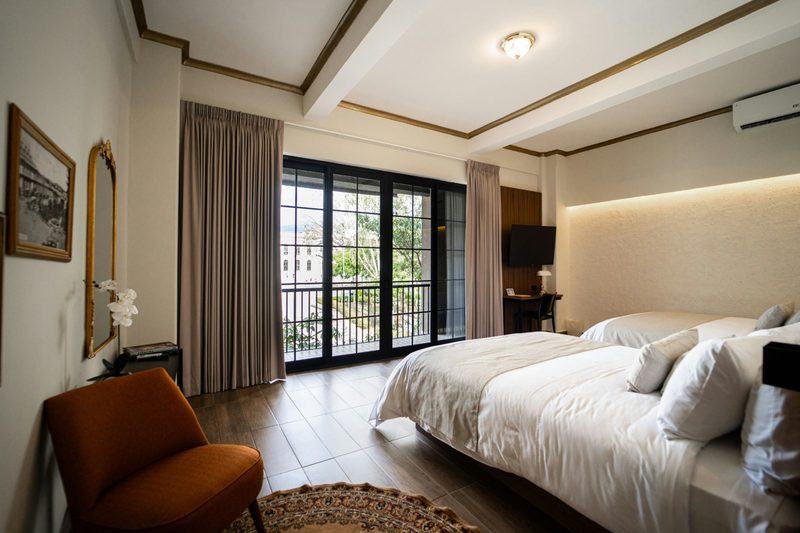
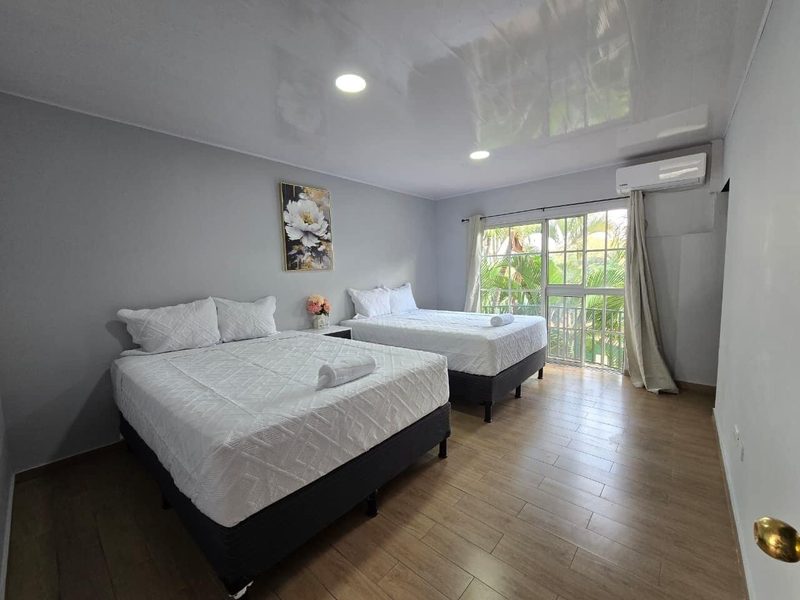
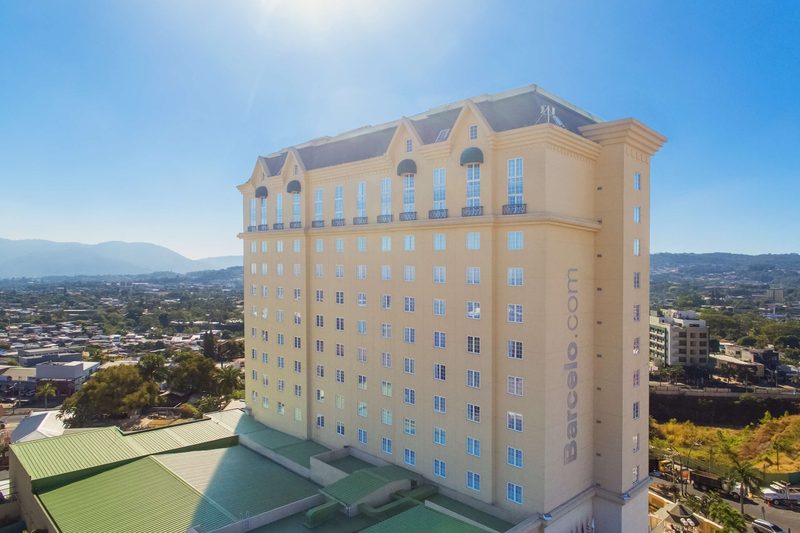
Hand-picked hotels across price tiers for March travellers.
Packing Checklist
Bookmark this page — your progress is saved between visits
Need the full list with shopping links?
Climate-specific gear, brand recommendations, and what to leave at home.
View San Salvador Packing List →Essential Tips
Insider knowledge and common pitfalls to avoid
Insider Knowledge
San Salvador's security landscape has shifted dramatically in recent years. The centro historico, once avoided by most locals after sundown, now draws families on evening walks, and the visible security presence in tourist areas is part of the reason. That said, street awareness still matters: keep your phone pocketed on public buses, use ride-hailing apps instead of flagging unmarked taxis, and avoid displaying expensive gear in crowded market areas. The western neighborhoods, Zona Rosa in Colonia San Benito, the Escalon corridor, Antiguo Cuscatlan, concentrate the restaurants, nightlife, and pedestrian-friendly infrastructure that most visitors find comfortable as a base. But limiting yourself to those areas means missing the best parts of the city.
San Salvador runs on pupusas. Thick handmade tortillas of corn or rice flour, stuffed with cheese, beans, chicharron, or loroco, a native flower bud with a distinctly herbal, slightly vegetal flavor unlike anything else in Central America. These are the gravitational center of every meal. The best ones come from women working comals at market stalls and roadside stands, not sit-down restaurants. Mercado Central in the centro historico anchors the scene. The smell of toasting masa mixes with grilled meats, stewing black beans, and the sharp vinegar bite of curtido served with every order. During Lenten Fridays in March, stalls shift to fish soups, torrejas dripping with panela syrup, and other seasonal preparations that vanish the rest of the year. Eat where locals crowd. Do not worry about ambiance. The food is the ambiance.
The Semana Santa coast exodus works in your favor if you time it right. During Holy Week, a huge portion of San Salvador's population heads to Pacific beaches. Accommodation in western neighborhoods may hold at normal rates while the coast spikes to its annual peak. Do the city through Good Friday. Head to the coast on Saturday when the most solemn observances have passed and holiday crowds start thinning. Worth the timing.
San Salvador's nightlife concentrates on Zona Rosa in Colonia San Benito. Streets around Boulevard del Hipodromo fill after 9 PM Thursday through Saturday. The scene mixes craft cocktail spots with open-air bars where cumbia and reggaeton compete from opposing speakers. The smell of grilling carne asada from late-night street vendors hangs in the warm night air. Local craft beer has gained real traction. You will find Salvadoran-brewed options alongside ubiquitous Pilsener and Suprema. March evenings stay around 24°C (75°F). Outdoor seating remains comfortable past midnight. The zona keeps energy until the small hours.
Avoid These Mistakes
Starting volcano hikes after 9 AM is the single most common error visitors make in San Salvador in March. By late morning, the sun sits overhead. Shade on the upper slopes of Santa Ana or El Boqueron is virtually nonexistent. Valley temperatures push 33°C (91°F). Local guides leave at dawn for good reason. Summit views are clearest in the first hours. The air stays cool enough to climb comfortably. You are back below the treeline before the worst midday heat. Starting late means hiking in what feels like an oven. You arrive at the top when haze has already softened the views you came to see. Skip this mistake.
Not booking accommodation far enough ahead for Semana Santa week. Easter falls on March 28. The final stretch of the month sees an increase in domestic and regional travelers. Well-located places in the centro historico and Zona Rosa fill up weeks or months in advance for March 21 through 28. Plan to be in San Salvador during Holy Week? Secure your room at least six to eight weeks out. Dates flexible? Arrive in the first two weeks of March. You get the same dry-season weather at normal pricing with thinner crowds everywhere.
Spending the entire trip in western business and embassy districts without setting foot in the centro historico. Zona Rosa, Escalon, and Antiguo Cuscatlan are comfortable and modern. They feel like they could be anywhere in urban Latin America. The centro historico holds San Salvador's real character. See the angular concrete beauty of Iglesia El Rosario with its rainbow-casting stained glass. Smell the noise and commotion of Mercado Central. Feel the heavy historical weight of the Catedral Metropolitana. Notice the street-level evidence of a civil war that ended barely three decades ago. A two-hour morning walk through the centro reveals more about this city than a week in the malls and international restaurants of the western strip.
Ready to plan your trip to San Salvador?
Now that you've got the research covered, here's where to go next.
Explore More Activities in San Salvador
Didn't see anything interesting yet?
Browse Viator's full catalog of tours, day trips, food experiences, and private guides in San Salvador.
See All San Salvador Tours on Viator