Things to Do in San Salvador in July
July weather, activities, events & insider tips
Low Season · Budget Friendly
July Weather in San Salvador
Long-run averages for July
87°F (30°C)
High Temp
68°F (20°C)
Low Temp
11.9 inches (302 mm)
Rainfall
80%
Humidity
12
Sunny-Day UV
⚠ Flash flooding in low-lying areas of San Salvador is a recurring July hazard. The Acelhuate River corridor through the city centre and roads around Mercado Central can flood within thirty minutes of heavy downpour, turning streets into fast-moving channels of brown water. Do not walk through flooded areas. The water often conceals open drains and debris. If you are driving, do not attempt to cross flooded intersections.
⚠ Dengue risk spikes when rains hit. Standing water breeds mosquitoes citywide. Use repellent at dawn and dusk. Sleep under air conditioning or nets. Wear long sleeves after sunset. Watch for sudden high fever. Joint pain is another warning sign. Seek medical help immediately. Mention your travel to El Salvador.
⚠ Landslide danger climbs in July. Volcanic slopes grow unstable fast. El Boqueron trails suffer after heavy rain. Santa Ana volcano faces similar risks. Informal paths outside marked routes kill. Hike only with proven guides. Stay on established trails always. Turn back when guides say so. Distance to summit means nothing. Safety comes first.
Is July Right for You?
Weigh the advantages and considerations before booking
Advantages
- + July marks peak corn season across El Salvador, and the culinary difference on your plate is impossible to ignore. Tamales de elote pop up at every market stall and roadside stand around San Salvador. The masa tastes sweet and tender in ways the off-season dried-corn version never matches. Atol de elote arrives as a warm corn drink thickened with cinnamon and served in plastic bags at the Mercado Ex-Cuartel. It hits peak richness and fragrance right now. Visit specifically for the food. Eat carefully. July easily is the absolute best month to eat your way through San Salvador.
- + Hotel rates tumble during the rainy season, and July sits directly in the trough. Bookable rooms that usually command premium prices during the dry-season rush from November through February suddenly appear at a fraction of the cost without stress. Same-week booking works. Fewer travelers guarantees shorter waits at the Joya de Ceren archaeological site. Expect a quieter walk through the Centro Historico as well. Meal times at long-established comedores become completely unhurried. Chat with the cook.
- + The terrain around San Salvador shifts dramatically during the wet months into intensely green vistas. The slopes of the San Salvador volcano, previously scorched brown by March, now wear thick tropical vegetation. Waterfalls along the road to Los Chorros finally hit their full cascade. Coatepeque Lake sits inside its ancient caldera about 65 km (40 miles) west and deepens to a striking blue-green hue against the hills. Photographers should arrive now. The light cooperates consistently during these weeks. Dramatic cloud formations build over the cordillera most afternoons. Plan accordingly.
- + Morning weather in July stays reliably comfortable. Temperatures clear the skies and hover around 24 to 27 degrees Celsius (75 to 81 degrees Fahrenheit) before humidity rises. The rainfall pattern remains predictable enough to plan around. Dry mornings give way to clouds gathering by early afternoon. Heavy downpours strike between roughly 2 PM and 5 PM. Clearing skies return by evening. That predictable rhythm delivers a solid six to seven hours of outdoor time each day. Start early.
Considerations
- − The 302 mm (11.9 inches) of rain that falls in July absolutely refuses to be gentle drizzle. Afternoon storms arrive without warning. Sudden winds flip umbrellas inside out. Downpours flood streets quickly. The Acelhuate River basin through central San Salvador backs up regularly. Certain roads in the Centro Historico and around the Mercado Central become impassable when the drains overflow. You will lose at least part of most afternoons to rain. Expect wet evenings too.
- − Humidity hovering around 80% makes midday exertion seriously draining. Strolling from the Metropolitan Cathedral to Iglesia El Rosario covers a distance of maybe 500 metres (1,640 feet). You will leave completely soaked in sweat by July noon. Heat and moisture combine to dry clothes overnight. Shoes stay perpetually damp. Leather gear turns clammy immediately. Air conditioning in malls and restaurants runs aggressively cold by contrast. That constant temperature swing between outdoor and indoor spaces catches people off guard. Pack light layers.
- − Volcano hiking, a major draw for San Salvador, becomes substantially harder in July. The trail to El Boqueron crater spans roughly 2 km (1.2 miles) from the parking area to the rim. Clay-slick mud coats the path after each storm. The Santa Ana volcano trail at 1,893 metres (6,211 feet) elevation vanishes into cloud cover by late morning. You can absolutely complete both hikes. Depart before 6 AM. Visibility drops. Accept limited visibility as a real possibility. Your boots require proper ankle support and aggressive tread. Check weather reports.
Best Activities in July
Top things to do during your visit
July sits in San Salvador's green season. Afternoon downpours remake the city almost daily. Mornings break warm and hazy. The air carries wet volcanic soil and frying plantains from street-side comedores. By early afternoon, clouds mass over the cordillera. The rain arrives heavy, theatrical, drumming on corrugated rooftops. Gutters become rushing streams. They carry the sweet rot of fallen mangoes. Temperatures hold near 87°F. They dip to around 68°F after dark. This range is gentler than February and March's scorching dry months. The rainfall, nearly twelve inches across the month, keeps surrounding volcanoes draped in almost equatorial green. The coffee fincas on slopes above the city look their most lush. For travelers weighing July, the honest answer is that it rewards flexibility. The rain seldom lasts more than a couple of hours. Mornings are almost always clear. Scheduling outdoor excursions early is the rhythm locals have long internalized. San Salvador's restaurants and covered markets, the large Mercado Central, the pupusa stalls along Calle Arce where masa sizzles on iron comals, become natural refuges during wet hours. You will share them with Salvadorans rather than tour groups. Hotel availability loosens in the green season. The city's better neighborhoods, Zona Rosa, Colonia Escalón, the tree-lined blocks around the Museo de Arte, feel unhurried. The dry-season peak never allows this. Safety shadows any trip to San Salvador. The practical picture has shifted materially in recent years. The historic center, once avoided after dark, now draws families on weekends. The city's western colonias have visible police presence and functioning nightlife, mezcal bars along Boulevard de los Héroes, craft-beer spots in Santa Elena, late-night pupuserías where charcoal smoke rolls onto sidewalks at midnight. San Salvador's food scene alone justifies a stop: the sharp tang of curtido heaped on thick pupusa de chicharrón, the fermented sweetness of horchata de morro poured over ice, slow-braised mariscada ladled from clay pots in Antiguo Cuscatlán. The Pacific beaches at La Libertad and Costa del Sol sit less than an hour south. They are reachable as day trips when morning surf reports cooperate. July is not the glossy postcard month. It is the month when San Salvador reveals how it lives.

Birdwatching Tours in El Salvador with Expert Biologist Guide
guided_experienceEl Salvador sits on the Central American flyway. The cloud forests ringing San Salvador hold species birders travel continents to tick, turquoise-browed motmots flashing racket tails from ceiba branches, emerald toucanets calling from canopy in sounds like rusty hinges, and in wetter ravines, electric blue of blue-crowned motmot catching first light. This guided outing pairs you with a working biologist. He knows specific microclimates and altitude bands where target species feed. What would be aimless walk becomes precise campaign through dripping forest trails. The air smells of damp bark and epiphyte blooms.
One of few guided birding experiences in country led by credentialed field biologist who can identify calls and locate nesting sites casual visitors would walk past.
Insider tip: Bring rain shell you can move silently in. Rustling ponchos spook canopy feeders. Wear dark, muted clothing rather than bright colors, which alert mixed flocks.
This month: July's heavy rainfall sustains peak insect abundance in forest understory, which concentrates insectivorous species along accessible trails and can make sightings more productive than in dry months.

Scars of San Salvador
otherThis walking tour strips back postcard layer. It confronts physical evidence of San Salvador's recent history, bullet-pocked facades in historic center, the spot on Universidad de El Salvador campus where students were shot, the cathedral where Óscar Romero was assassinated at altar in 1980, the cool marble interior still carrying faint smell of incense and candle wax. A local guide narrates civil war and aftermath not as distant history but as lived memory. He points out scars in concrete walls and plaques most passersby ignore. The route threads through narrow downtown streets where vendors hawk frozen coconut from pushcarts and evangelical hymns drift from storefronts. It weaves unvarnished portrait of capital that rebuilt itself from rubble.
Most direct way to understand forces that shaped modern San Salvador, told on ground where events happened rather than from textbook.
Insider tip: Wear comfortable shoes with decent grip. Downtown sidewalks are uneven. In July, tile surfaces near cathedral get slick after rain.

Santa Ana Volcano Hike & Lunch at Coatepeque Lake (Private Tour)
adventureThe trail up Volcán de Santa Ana, El Salvador's highest volcano, climbs through successively stranger landscapes. Coffee plantations first. Then dense cloud forest where bromeliads cling to every branch and air tastes cool and mineral. Finally barren ridge where wind hits hard and crater lake below glows sulphurous turquoise. It looks digitally altered. It is not. The descent leads to Coatepeque Lake, a caldera lake rimmed by steep green walls. A lakeside lunch lets lactic burn in your legs ease while you eat grilled tilapia pulled from water that morning. The smoky char of grill mixes with wet-earth smell of surrounding hillside. Private format means guide adjusts pace to your group. He can linger at crater rim or push through if weather closes in.
Single most dramatic natural sight accessible from San Salvador, summit crater lake at altitude followed by caldera lake at base, two geological spectacles in one outing.
Insider tip: Start as early as operator allows. In July, clouds typically seal crater rim by midday. Missing view after two-hour climb is real risk. Layering matters. Summit is noticeably cooler than San Salvador and wind-exposed.
This month: July rainfall makes upper trail sections muddy and slippery. Proper hiking boots with ankle support are essential, not trail runners. Volcano's green-season foliage is at densest, and waterfalls along lower trail that are dry from November through April run strong.

Real City Tour San Salvador: Historic Center & Boqueron Park
culturalThis full-day circuit connects two poles of San Salvador's identity. The dense, loud, human-scaled historic center. The forested rim of Boquerón, dormant crater looming above city's western edge. Downtown, you will walk through Palacio Nacional's checkerboard marble floors, hear clatter of dominos in Parque Libertad, smell roasting coffee from shops along la Segunda Calle Oriente. Then route climbs to Boquerón Park, where paved path rings crater and temperature drops several degrees. Air is scented with pine. Calls of clay-colored thrushes fill canopy. On clear morning, crater's depth, over five hundred meters, and nested cone at center are startling. San Salvador is built in shadow of active geological system.
Compresses city's colonial core and volcanic geology into single guided day, connecting urban history to landscape that created it.
Insider tip: Ask guide to stop at one of pupuserías on road up to Boquerón rather than eating at crater-rim stalls. Village kitchens use wood-fired comals. Pupusas have smokier, crisper edge.
This month: Boquerón's crater frequently fills with cloud after midday in July. Arriving by 10 AM gives best chance of unobstructed view down to nested cone.

Best Private Tour: Suchitoto & Cihuatán Rum from San Salvador
private_tourThe road north from San Salvador to Suchitoto climbs through sugarcane country. Then it drops into colonial town where cobblestone streets echo underfoot and white-washed Church of Santa Lucían anchors central plaza smelling of bougainvillea and wood smoke from nearby kitchens. Suchitoto sits above Suchitlán reservoir. From town's overlooks, water stretches silver-grey below green hills. Herons pick along marshy edges. Tour pairs this with stop at Cihuatán, distillery producing aged rum from Salvadoran sugarcane. Tasting room carries warm, caramel-and-oak scent of barrel aging. You will sample expressions difficult to find outside country.
Pairs El Salvador's best-preserved colonial town with its most serious rum producer in single private outing that reaches places public transport makes tedious.
Insider tip: Suchitoto's weekend art market fills streets around church on Saturday and Sunday mornings. If schedule allows, book this tour for weekend day to catch vendors selling indigo-dyed textiles and handpainted barro negro pottery.
This month: Suchitlán reservoir reaches near-peak levels in July, making landscape views from Suchitoto's mirador noticeably more dramatic than in dry months, when exposed mud flats replace waterline.

El Salvador Luxury Airport Transfer
transportMonseñor Óscar Arnulfo Romero International Airport sits about forty minutes southeast of central San Salvador. The route in passes through stretches poorly lit and unsigned after dark. Prearranged private transfer eliminates negotiation with unofficial taxi drivers in arrivals hall, where humid terminal air hits you moment you step past baggage claim. It puts you in air-conditioned vehicle with driver who knows current road conditions. These matter in July when heavy rain can flood low-lying sections of airport highway.
Removes single most stressful moment of arriving in unfamiliar Central American capital, the airport-to-city gauntlet, with driver who tracks your flight and adjusts for delays.
Insider tip: Confirm pickup details day before departure and share flight number. San Salvador flights frequently arrive late. Driver tracking actual landing time will be there when you walk out, not thirty minutes early or gone.
This month: July afternoon storms can cause temporary flooding on boulevard between airport and city. Driver familiar with alternate routes avoids worst bottlenecks.
Where to Stay in San Salvador in July
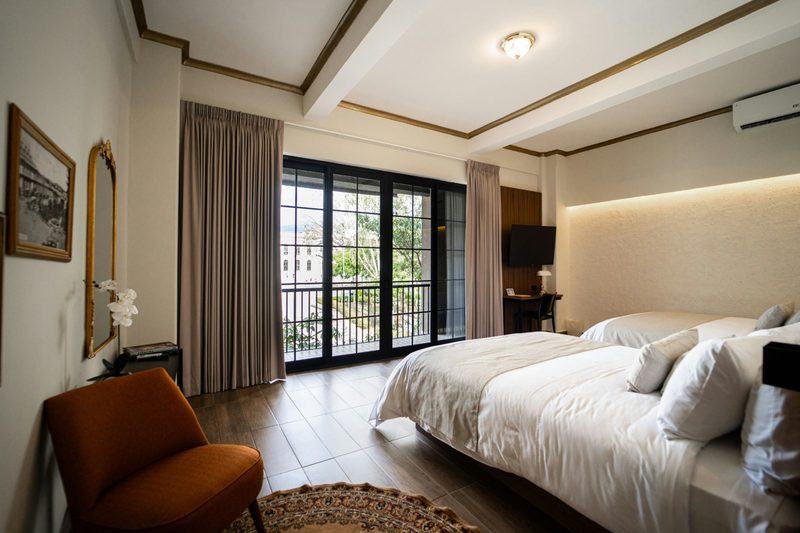
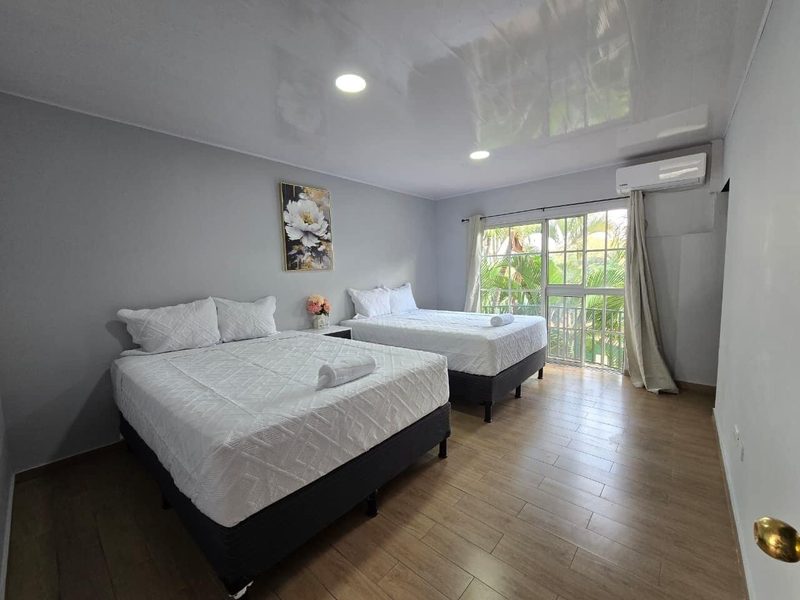
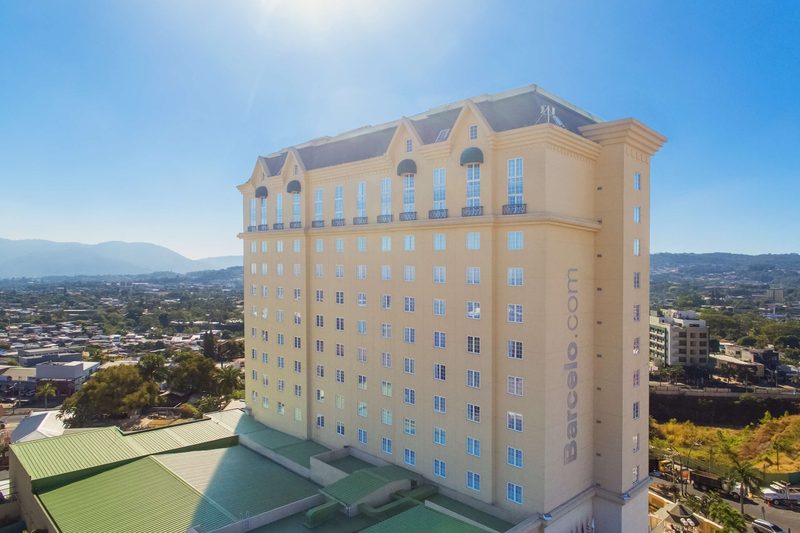
Hand-picked hotels across price tiers for July travellers.
Packing Checklist
Bookmark this page — your progress is saved between visits
Need the full list with shopping links?
Climate-specific gear, brand recommendations, and what to leave at home.
View San Salvador Packing List →Essential Tips
Insider knowledge and common pitfalls to avoid
Insider Knowledge
The Pupusodromos at Los Planes de Renderos sits about 8 km (5 miles) south of the city centre, up a winding mountain road. This is where Salvadorans themselves go to eat pupusas. In July, roadside stalls add seasonal tamales de elote to the menu. The corn tamales come wrapped in fresh husks, steamed until the masa turns tender and faintly sweet. They pair well with atol de elote, a warm cinnamon-laced corn drink that tastes like liquid comfort food. Go on a weekday evening after the rain clears. The air cools as you climb. City lights spread below through the mist. The sound of masa slapped onto the comal at stall after stall is San Salvador doing what it does best. Locals eat pupusas with their hands, tearing them apart and scooping up curtido, the tangy fermented cabbage relish that cuts through the richness of melted cheese or chicharron filling.
San Salvador's security situation has shifted substantially in recent years under government mano dura policies. The practical reality for visitors in 2027 is this: tourist areas, the Centro Historico during daytime, Zona Rosa in Colonia San Benito, and main commercial districts feel notably safer than a decade ago. Common-sense precautions still apply. Avoid flashing expensive electronics. Do not walk unfamiliar neighbourhoods after dark. Use registered taxis or ride-hailing apps, never street flags. Keep your passport copy separate from the original. International perception lags behind current conditions. This explains why July crowds stay thin and prices remain favourable.
Nightlife in Zona Rosa and along Boulevard de los Heroes peaks Thursday through Saturday. July rain helps rather than hinders. Evening storms cool the air, so people stay out longer. By 9 PM, when clouds break, wet streets reflect neon signs and headlights. The effect gives the city a particular nocturnal energy. Salvadorans order bocas with drinks: small shared plates of fried plantain, yuca con chicharron, and ceviche. A night out doubles as dinner. Horchata salvadorena, made from morro seeds and ground cacao, is traditionally non-alcoholic. Several Colonia San Benito bars now serve spiked variations. Worth seeking out.
The airport ride into central San Salvador passes through lower-elevation corridors that flood fastest in July afternoon storms. Flights arriving between 2 PM and 6 PM can mean sitting in rain-delayed traffic for over an hour on a route that normally takes thirty minutes. Book morning arrivals when possible. Or choose flights landing after 7 PM, once roads have drained. The same logic governs Pacific coast drives. Mornings stay clear. The coastal highway runs fast and dry before noon.
Avoid These Mistakes
Scheduling outdoor activities for the afternoon is the single most common error visitors make in July. San Salvador's rain pattern is remarkably consistent: clear mornings, cloud buildup by midday, heavy rain from roughly 2 PM to 5 PM. Start every hike, every market visit, every walking tour as early as possible. By 1 PM, be somewhere with a roof. Ideally somewhere with food.
Confusing San Salvador, El Salvador with San Salvador Island in the Bahamas happens more than you would think, during online booking. The two places share nothing except a name. San Salvador, El Salvador is an inland city at roughly 658 metres (2,159 feet) elevation in a volcanic valley, not a Caribbean island. Double-check every flight booking, tour reservation, and accommodation search. Confirm you are looking at El Salvador, Central America.
Packing only light summer clothes and no rain protection is a mistake. July in San Salvador is not a beach holiday with occasional sprinkles. The 302 mm (11.9 inches) of monthly rainfall arrives in concentrated, powerful storms that can drop 30 to 50 mm (1 to 2 inches) in a single hour. Travellers who arrive with sandals, cotton shorts, and no jacket spend their first afternoon buying emergency ponchos at a pharmacy. Come prepared for a proper tropical wet season and you will be comfortable. Come dressed for the beach and you will be miserable by day two.
Ready to plan your trip to San Salvador?
Now that you've got the research covered, here's where to go next.
Explore More Activities in San Salvador
Didn't see anything interesting yet?
Browse Viator's full catalog of tours, day trips, food experiences, and private guides in San Salvador.
See All San Salvador Tours on Viator