Things to Do in San Salvador in February
February weather, activities, events & insider tips
Low Season · Budget Friendly
February Weather in San Salvador
Long-run averages for February
90°F (32°C)
High Temp
64°F (18°C)
Low Temp
0.0 inches (0 mm)
Rainfall
61%
Humidity
11
Sunny-Day UV
⚠ UV hits 11 in February. Extreme exposure. Unprotected skin burns in 15 minutes. Midday sun shows no mercy. Higher elevations worsen the damage. Volcano hikes strip away atmospheric protection. The equatorial sun bears down harder. Cover up.
⚠ Dry season means dust. Unpaved volcano trails suffer. Rural roads outside the city kick up grit. Lungs notice. Camera gear suffers. Pack a lightweight buff. Bring a bandana. El Boquerón and Santa Ana hikes demand it. Switchbacks get thick with volcanic dust. Protect your breathing.
Is February Right for You?
Weigh the advantages and considerations before booking
Advantages
- + February brings San Salvador's driest month. Zero average rainfall means uninterrupted clear skies for volcano hikes, open-air markets, and day trips to the Pacific coast. You will not rearrange plans around a single afternoon washout.
- + Humidity holds at 61 percent. September hits 87 percent. You can hike the El Boquerón crater rim or walk the centro histórico without breathing through a wet cloth. Clothes hung overnight dry by morning.
- + Dry-season clarity opens volcanic panoramas that rainy months erase for weeks. From El Boquerón's rim you can see across the Valle de las Hamacas to the Pacific. On good mornings Santa Ana volcano stands sharp against the sky from 50 km (31 miles) away. February delivers that visibility.
- + San Salvador in February hits peak-season weather before mass tourism arrives. The trails, the pupuserías at Los Planes de Renderos, the Mercado Ex-Cuartel stalls. You will share them with Salvadorans, not tour groups. The pace of everything reflects that.
Considerations
- − Midday temperatures hit 32°C (90°F) inside the Valle de las Hamacas. The valley traps radiant heat off concrete and asphalt. Between 11 AM and 2 PM the centro histórico becomes punishing on foot. Locals disappear indoors for a long almuerzo. Follow their lead. Plan museum and church visits for the hottest stretch.
- − Bone-dry air and a UV index of 11 dehydrate you faster than expected at 655 m (2,149 ft) elevation. Travelers who hike El Boquerón or Santa Ana without two liters of water per person and real sun protection hit a wall by noon. Altitude and direct tropical sun combine more sneakily than temperature alone suggests.
- − San Salvador's food, nightlife, and culture cluster in specific zones. Zona Rosa and Colonia San Benito, the centro histórico, Los Planes de Renderos. A bus network connects them. But it feels opaque to newcomers. Without grasping routes or using ride-hailing apps, you will spend more time in transit than between places that reward your attention.
Best Activities in February
Top things to do during your visit
February sits at the core of San Salvador's dry season. The shift from sodden summer is dramatic. Rainfall drops to essentially zero, not a single measurable millimeter on average. Daytime temperatures push toward 32°C (90°F) under skies that stay clear from dawn past dusk. The air carries the faint char of corn tortillas griddled on street corners. You will catch the dry, mineral scent of volcanic soil baking in the sun. Nights cool to 18°C (64°F). That is enough to sleep without air conditioning if you open a window to the breeze rolling off Volcán San Salvador. For anyone wondering about El Salvador's weather in February, this is the answer. It is the driest, sunniest stretch the country offers. This window falls between the brief holiday rains of December and the first wet-season storms that arrive in April. The city moves at a different tempo in February. Without the daily afternoon downpours that define May through October, outdoor life expands. Comedores along Calle Arce keep tables on the sidewalk late into the evening. The sizzle of pupusas hitting the comal carries half a block. The volcanic ridge west of the city, the green wall that defines San Salvador's skyline, stands sharp against cloudless afternoons. It does not vanish into humid haze. Street vendors sell curtido from plastic bags. The fermented tang of cabbage and vinegar cuts through warm exhaust-tinged air. February's dry conditions mean trails on nearby volcanoes and roads to highland towns like Suchitoto are passable and firm. This is an ideal month to venture beyond the capital. Safety concerns visitors considering San Salvador. The practical reality in 2026 is that the central historic district and western neighborhoods around Zona Rosa and Colonia Escalón draw most travelers. Stick to those corridors. Travel by car or arranged transport after dark. San Salvador rewards with food that rivals any Central American capital. Try the smoky, slow-cooked carne asada at market stalls in Mercado Central. Sample refined plates from restaurants in the Escalón district. Young Salvadoran chefs there fold heirloom corn varieties and coastal seafood into menus that no longer need to apologize for the city's long years of conflict.

Birdwatching Tours in El Salvador with Expert Biologist Guide
guided_experienceEl Salvador sits on one of Central America's most productive birding corridors. This tour puts a working biologist behind the spotting scope, not a generalist guide. February's bone-dry weather and leafless deciduous canopy in the lowland forests open sightlines dramatically. Torogoz, the turquoise-browed motmot and El Salvador's national bird, perch exposed on bare branches. Mixed flocks of tanagers, honeycreepers, and woodcreepers move through thinned foliage where they would be invisible under the green curtain of the rainy season. The guide tailors each outing to the group's experience level. Casual watchers get the spectacle of a king vulture thermal. Listers chase endemic subspecies in highland cloud-forest fragments above San Salvador.
A biologist-led field experience that exploits El Salvador's under-birded status. Fewer visiting birders means less trail pressure. Species have not learned to flush at the sound of a shutter.
Insider tip: Request the pre-dawn departure option. The first two hours after sunrise produce the highest species counts. The guide knows specific roost trees where motmots and trogons reliably appear before heat pushes activity into the canopy.
This month: February's zero rainfall and reduced canopy cover make this the peak month for visual birding in El Salvador's Pacific slope forests. Many resident species are also in breeding plumage.

Scars of San Salvador
otherThis walking tour strips San Salvador back to the scars that shaped it. You will see bullet-pocked facades along old downtown blocks. You will stand in the plaza where Archbishop Romero's funeral was fired upon in 1980. You will enter the rebuilt cathedral whose white concrete walls still smell faintly of fresh plaster decades after earthquake reconstruction. The route threads through streets most visitors would pass without pausing. Your guide contextualizes each stop against the twelve-year civil war and the 2001 earthquakes that flattened entire neighborhoods. You feel uneven paving stones underfoot in the historic center. You hear the metallic clang of security gates rolling up on shops that occupy buildings older than the republic. You see where murals painted by postwar artists layer color over concrete pockmarked by ordnance.
San Salvador's modern identity is inseparable from its wounds. This tour makes that history legible on the streets rather than in a textbook.
Insider tip: Wear shoes with grip. The historic center's sidewalks are cracked volcanic stone, slick in spots even during the dry season. Several stops involve stepping through narrow alleys where the pavement is uneven.

Santa Ana Volcano Hike & Lunch at Coatepeque Lake (Private Tour)
adventureSanta Ana Volcano, Ilamatepec, the country's highest peak at 2,381 meters, sits roughly ninety minutes northwest of San Salvador. The hike to its crater lake is the single most rewarding day trip in El Salvador. The trail climbs through successional forest where air cools noticeably with each hundred meters of elevation. The sweet rot of decomposing leaves gives way to the sharper, sulfurous edge of volcanic vents near the summit. At the top, the turquoise crater lake sits inside walls streaked yellow and grey with mineral deposits. The view extends south across Lago de Coatepeque, a caldera lake so blue it looks artificial. This tour ends with lunch on the lakeshore. The descent brings you back into warm, dry air heavy with the resinous smell of pine. The lakeside meal typically features freshwater mojarra grilled whole over wood coals. The crisp skin gives way to tender, faintly smoky flesh.
Two volcanic landscapes in a single day. You get the raw geologic theater of an active crater and the civilized calm of a caldera lake. A guide handles logistics and park entry so you simply walk.
Insider tip: Bring a light layer for the summit. At 2,381 meters the temperature can drop fifteen degrees below San Salvador's valley floor. The wind across the open crater rim cuts through a sweat-soaked shirt fast.
This month: February's cloudless skies give the clearest summit views of the year. During the wet season the crater is often socked in by mid-morning fog. In February the panorama from Coatepeque to the Guatemalan border typically stays open all day.

Real City Tour San Salvador: Historic Center & Boqueron Park
culturalThis full-day circuit links San Salvador's colonial-era historic center with Boquerón Park, the forested crater of Volcán San Salvador that looms directly above the city's western edge. The downtown portion covers the Catedral Metropolitana and the Palacio Nacional. Its cool, tiled corridors echo underfoot in a building that has survived both war and earthquake. You will also see Iglesia El Rosario, a brutalist concrete church whose interior explodes with fractured light from an abstract stained-glass wall. Prismatic color throws across raw concrete pews. From there the tour climbs the volcano's flank to Boquerón. A paved path rings a crater so deep and green it swallows sound. The hum of San Salvador's traffic vanishes into a bowl of ferns and epiphytes. The contrast between the grit of the historic center and the cool, damp air of the crater rim is the point. Even in dry February the vegetation here traps moisture.
The only tour that connects San Salvador's street-level human history with the volcanic geology that built the ground beneath it, in a single day.
Insider tip: Ask the guide to stop at one of the pupuserías along the road climbing to Boquerón. The ones near the crater park entrance serve revueltas, pupusas stuffed with pork, cheese, and beans, on thicker handmade masa than the city versions. The charcoal-grilled edges crackle when you bite through.

Best Private Tour: Suchitoto & Cihuatán Rum from San Salvador
private_tourSuchitoto, an hour north of San Salvador, is the country's best-preserved colonial town. Cobblestone streets, indigo-painted facades, and a central church whose whitewashed walls throw back the February sun with an intensity that makes you reach for dark glasses. This private tour pairs it with Cihuatán, the largest pre-Columbian archaeological site in El Salvador. Mesoamerican pyramids and a ceremonial ball court sit in dry scrubland that smells of sun-baked earth and wild oregano. Between the two, the tour stops for Salvadoran rum tasting. The caramel nose and slow burn of aged cane spirit offer a counterpoint to a morning spent in open heat. The drive between sites passes Suchilake, the reservoir behind the Cerrón Grande dam. Its surface is glassy and pale blue under February's relentless sun, with egrets stalking the shallows.
Two of El Salvador's most important cultural sites, one colonial and one pre-Columbian, linked by a private vehicle and a rum detour that turns transit time into its own experience.
Insider tip: In Suchitoto, duck into the artisan workshops along the streets south of the church. Several sell hand-loomed textiles dyed with añil, natural indigo. Watching the dyers work the vats, their hands stained deep blue to the wrist, is as compelling as anything in the town's galleries.

El Salvador Luxury Airport Transfer
transportThe drive between Monseñor Óscar Arnulfo Romero International Airport and central San Salvador is roughly thirty-five kilometers. The road passes through congested urban sprawl that can stretch transit to well over an hour during peak traffic. This private transfer eliminates the negotiation and uncertainty of the taxi queue outside arrivals. A driver meets you in the terminal with a sign, handles luggage, and delivers you to your hotel in an air-conditioned vehicle with cold water waiting in the door pocket. For travelers arriving on a late flight into San Salvador, when the airport taxi line thins and freelance drivers quote unpredictable fares, the pre-booked certainty is worth the cost. The vehicle is clean. The ride is smooth on the divided highway that connects the airport to the city. You arrive without the gritty residue of a haggling session in a language you may not yet speak.
A fixed-price, meet-at-gate airport transfer that removes the single most stressful transaction of arriving in an unfamiliar Central American capital after dark.
Insider tip: Book the return transfer at the same time as your arrival. Airport-bound morning traffic from San Salvador peaks between 6 and 8 a.m. on weekdays. The driver will adjust departure time to account for the bottleneck at the Boulevard de los Héroes interchange.
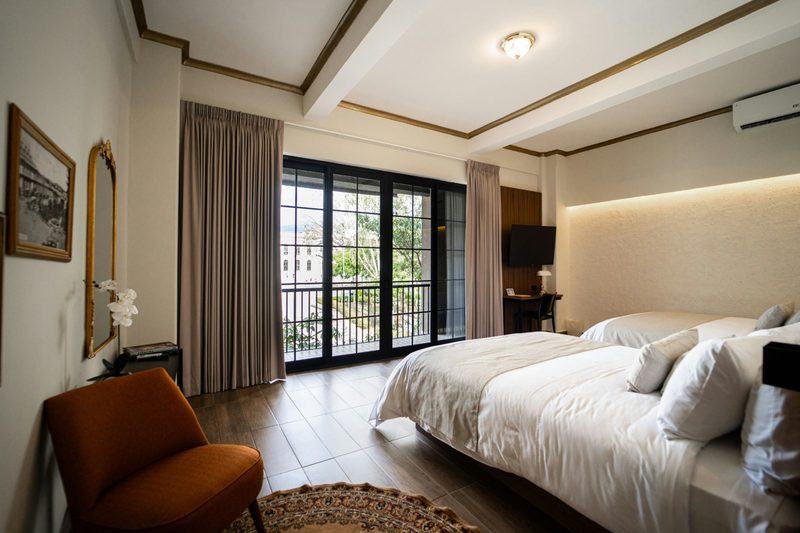
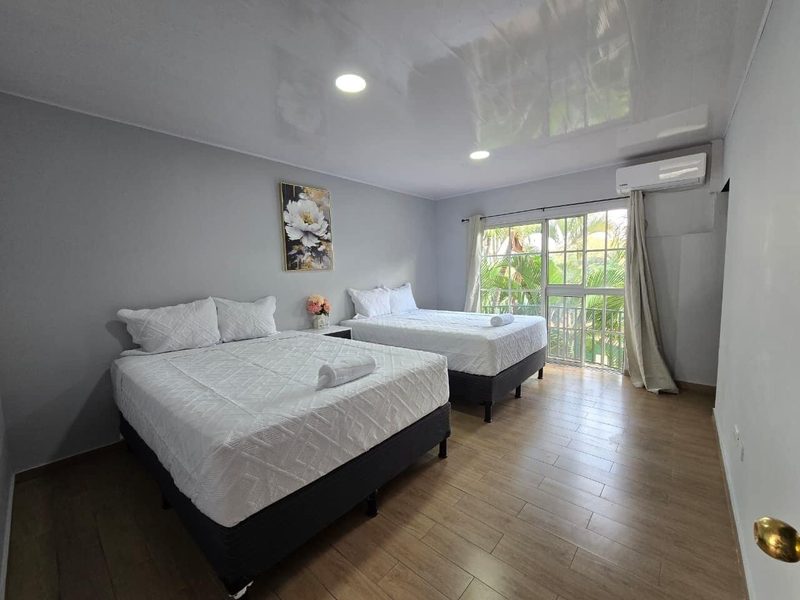
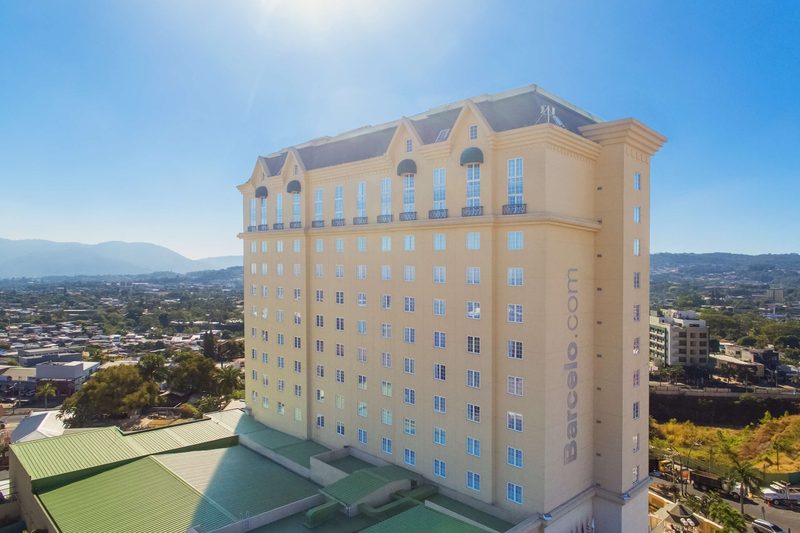
Where to Stay in San Salvador in February
Hand-picked hotels across price tiers for February travellers.
Packing Checklist
Bookmark this page — your progress is saved between visits
Need the full list with shopping links?
Climate-specific gear, brand recommendations, and what to leave at home.
View San Salvador Packing List →Essential Tips
Insider knowledge and common pitfalls to avoid
Insider Knowledge
Los Planes de Renderos, the hillside overlooking the city about 15 minutes south of the centro, is where Salvadorans go for pupusas. Not the tourist-oriented spots in Zona Rosa. The pupuserías line both sides of the road for over a kilometer. The comal smoke hangs in the cooler mountain air carrying the smell of griddled corn masa and melting cheese. The view of San Salvador's lights spread across the valley below at sunset is a scene you'll remember longer than any museum. Go on a weekend evening when families are out and the whole hillside hums.
Salvadoran horchata bears almost no resemblance to the Mexican rice-based version. It is built on morro seeds, ground cacao, cinnamon, and sesame, producing a nuttier, earthier, slightly grittier drink that tastes like nothing else in Central America. Order it ice-cold from the women selling it in tied plastic bags at the Mercado Ex-Cuartel. The morro seed flavor is the antidote to February's midday furnace. Once you've had the real thing you won't go back.
The Iglesia El Rosario in the centro histórico looks like a concrete warehouse from outside. Inside, it is one of the most extraordinary sacred spaces in Latin America. Abstract stained-glass panels set into the curved concrete shell throw bands of shifting color across the bare walls. The whole interior feels closer to a modern art installation than a parish church. Almost no visitors find it. Morning light between 9 and 11 AM produces the most intense color effect as the sun angle catches the east-facing panels. Arrive early.
San Salvador's safety situation has shifted dramatically in recent years. Smart urban habits still matter. Zona Rosa, Colonia San Benito, Colonia Escalón, and the centro histórico during daylight hours are all comfortable on foot. Use ride-hailing apps after dark rather than flagging street cabs. Keep your phone in a front pocket at the Mercado Central. These are the same precautions any experienced Latin American traveler already knows. The city rewards visitors who bring basic urban awareness without letting anxiety override the experience.
Avoid These Mistakes
Scheduling outdoor activities between 11 AM and 2 PM. February's 32°C (90°F) highs concentrate in the early afternoon. The Valle de las Hamacas traps that heat against its surrounding ridges like a shallow bowl on a stove. Locals vanish indoors for a long almuerzo during these hours. Follow their lead. Save walking tours and market visits for early morning or late afternoon. Use the midday dead zone for museums or the air-conditioned restaurants in Colonia San Benito.
Staying inside the city limits for the entire trip. San Salvador is the launchpad, not the whole destination. The volcano hikes, Joya de Cerén, Lake Coatepeque, and the surf coast at El Tunco are all within 90 minutes of the city. February's dry roads make every one more accessible than during any other month. Three days without a day trip misses the strongest cards in the hand. Get out there.
Confusing San Salvador, El Salvador with San Salvador Island in the Bahamas. They are entirely different destinations in different hemispheres. Search results, booking platforms, and even flight listings overlap in ways that have sent confused travelers to the wrong airport. Triple-check that every booking specifies El Salvador, Central America before you confirm anything. Verify twice.
Ready to plan your trip to San Salvador?
Now that you've got the research covered, here's where to go next.
Explore More Activities in San Salvador
Didn't see anything interesting yet?
Browse Viator's full catalog of tours, day trips, food experiences, and private guides in San Salvador.
See All San Salvador Tours on Viator